
With so many different scams out there now, it’s never been so important to get ahead and avoid them. Some of these scams are so sneaky that you might not even realize they’re happening until it’s much too late. But don’t worry because we’re here to help you out with that. Here are 20 scams that usually target older people and how to avoid them.
The Grandparent Scam

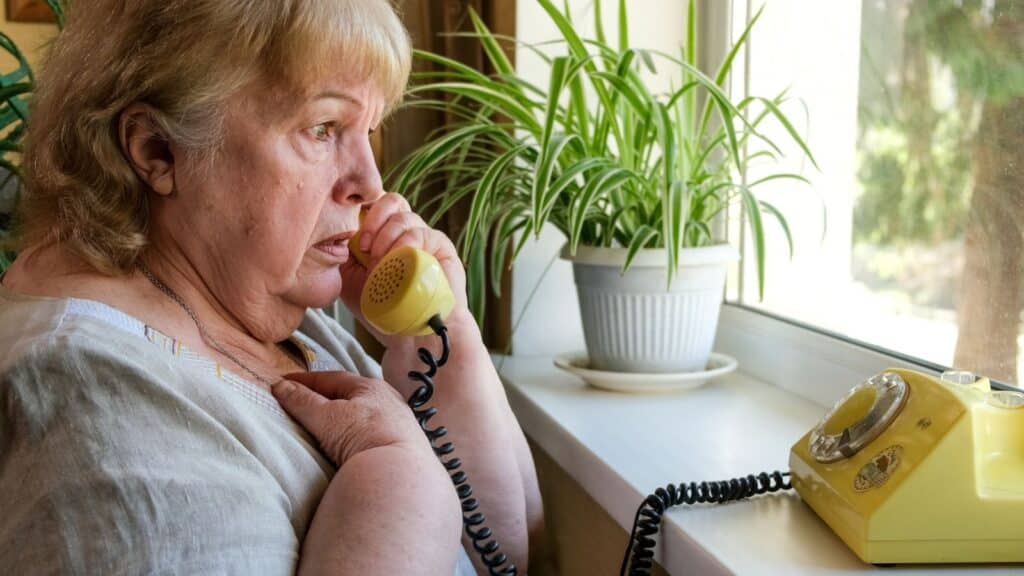
The grandparent scam involves getting a call from someone who pretends to be your grandchild, saying they’re in trouble and need money ASAP. It’s a pretty old scam that’s only gotten worse thanks to AI, as scammers are using deepfakes of people’s voices. Don’t fall for it. Hang up and call your grandchild back on a number you know is theirs.
The Medicare Scam

If someone calls claiming to be from Medicare and asks for your number to fix an issue or replace your card, hang up. They’re likely up to no good and trying to get your personal information. Real Medicare reps won’t ask for your Medicare number over the phone, so you should call them yourselves if you have concerns.
The Lottery Scam
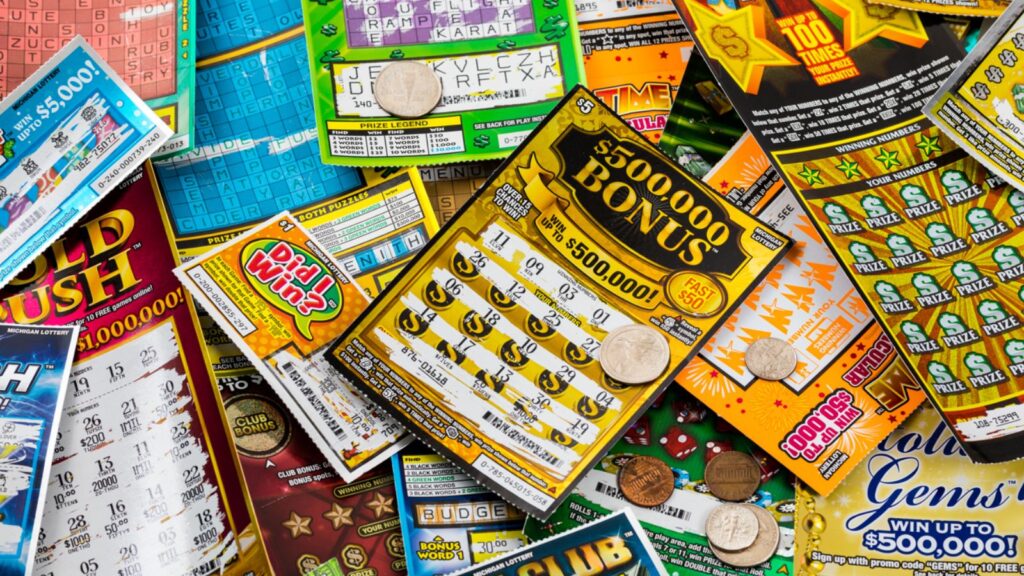
You might get a call or email telling you that you’ve won a huge sum in a lottery or sweepstakes. Sounds pretty exciting, right? But there’s a catch, as you’ll need to pay a fee to unlock your winnings. This is a complete scam because no legitimate lottery or sweepstakes will require winners to pay upfront.
A Fake IRS Agent
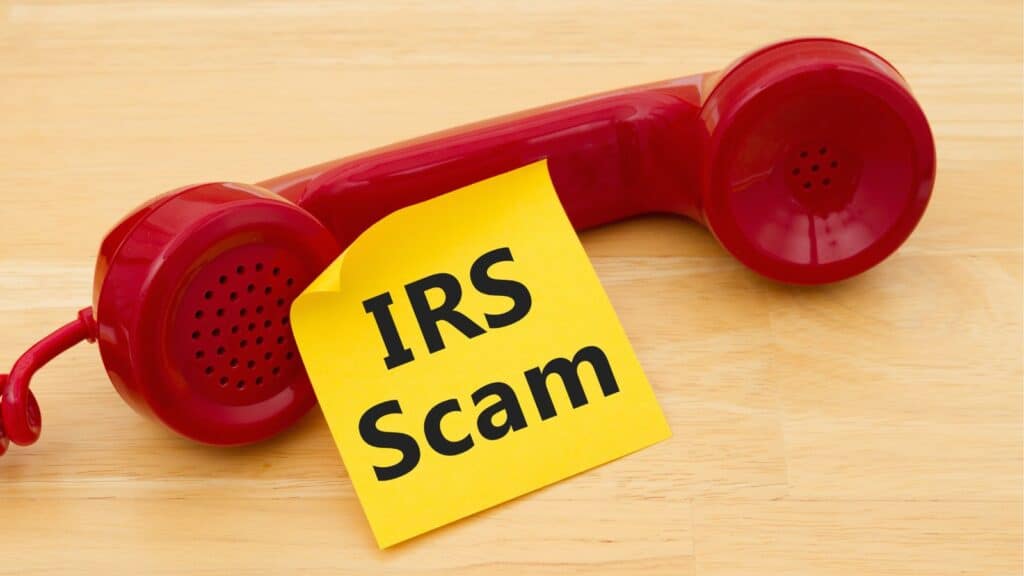
Scammers love pretending to be IRS agents because it gets victims panicking, which makes them more likely to do as they’re told. The “agents” will tell you that you’ve made a mistake when filing for taxes and that you’ve got to pay immediately, or you’ll be arrested. It’s a lie. Always ask for proof and call back using the IRS’s official number before making any payments.
Phishing Emails
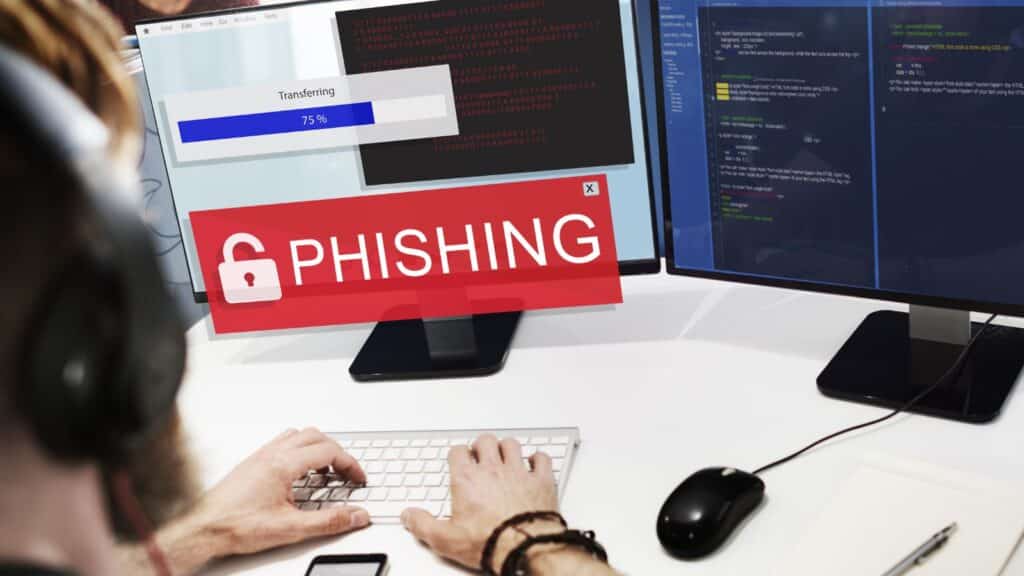
Phishing emails look like they’re from a real company, and they’ll usually ask you to update your information or log in using a link. Whatever you do, don’t click it, as they’re just “fishing” for your personal details. Double-check the sender’s email and look out for weird language or formatting issues. You should always contact the company yourself using a legit email or phone number.
Tech Support Scams

Lots of old people get tricked into thinking their computers have a virus, and they’ve got to go through “tech support” to get it fixed. Usually, this involves giving them remote access or paying to have the device cleaned, but this is just nonsense. Real tech companies won’t call you out of the blue to offer help, and you should always contact a trusted tech support service yourself.
Romance Scams

Romance scams are some of the saddest ones out there, and they usually happen through online dating apps or social media. Scammers create fake profiles to trick you into falling for them before eventually asking for money. If someone suddenly rushes into talking about love or money, it’s probably too good to be true.
Investment Scams

Some scams involve fake investment opportunities that promise big returns with little risk. Unfortunately, it’s highly unlikely this will ever lead to any gains, and you should always be skeptical of investment offers that you never asked for. Speak to a financial advisor before parting with any money.
Funeral and Cemetery Scams

Some scammers prey on the recently departed and their loved ones to make some money. They look at the obituaries and show up at the funeral or call the deceased’s relatives, saying they owe them money. You should always check with other family members or with people you trust.
Fake Prescription Drugs

You might think that you can buy some cheaper meds online, but be careful. The drugs you get from shady online pharmacies could be fake or, at worst, unsafe. Stick to well-known pharmacies and check with your doctor before trying a new medication. Just because it’s cheaper doesn’t mean it’s any better.
Home Repair Problems

Whenever there’s been a natural disaster, all of a sudden, fake contractors appear, claiming they’ll fix people’s roofs or clear the debris. But, of course, this comes at a cost, and it’s usually an upfront payment that they’ll demand before disappearing. You should always hire local and reputable contractors with proven results and never pay the full amount upfront.
Charity Cons

Similarly, fake charities are usually on the scene after a disaster strikes. They’ll play on your emotions to get you to donate some money, but think carefully before you do this. Are you sure the charity is real? Even if you are, you should make sure it’s registered by going to websites like the BBB Wise Giving Alliance, which will tell you the truth.
Travel Scams

It can be pretty tempting to go for those offers for free or heavily discounted trips, but there’s more to them than meets the eye. They’ll often have hidden fees that make up for the price difference, or they’ll simply not exist at all. Always book through agencies that you can trust and read the fine print before making a final decision.
Utility Scams

Scammers sometimes call, pretending to be from your utility company, and they’ll say that you owe them money. If you don’t do it, they’ll tell you that they’re going to cut off your service. Don’t panic, and don’t pay because actual utility companies will give you plenty of warning, and they’ll never demand immediate payment over the phone.
Timeshare Resale

If you want to sell your timeshare, beware of companies that promise to sell it fast as long as you pay them first. Sadly, they’re usually just scams. You should only think about selling your timeshare with a trustworthy company and take payment after they’ve helped you complete the sale.
Credit Card Fee Fraud

Being told you can lower your credit card interest rates for a small fee sounds pretty great, right? Wrong. Your credit card company might negotiate your rates, but they’re not going to ask you to pay upfront. It’s better for you to deal with them yourself if you want to talk about your interest rates.
Social Security Scams
If you get a call about problems with your Social Security number or benefits, don’t panic. More often than not, this is a scam, and the Social Security Administration (SSA) will contact you by mail if there’s a real issue. Call the SSA directly using their official number if you’ve got any worries.
Job Offer Scam

Many scammers prey on the most vulnerable people, including those who are desperate for a job. They might promise an easy job with a great salary, but the victims will have to pay a training or background check fee or something else entirely. Real companies will cover those costs, and they’ll never ask you to pay to get hired.
Jury Duty Deception

Most of us never want to do jury duty and, thankfully, won’t have to. Even so, scammers might call you or send a letter claiming that you missed your jury duty and that you’ve got to pay a fine. No matter how convincing it seems, just remember that courts will send any information by mail, and you should always contact them yourselves.
Auction Site Scams

If you decide to buy from an online auction site like eBay, be careful of how you pay. They might ask you to pay via Bitcoin or the “Friends and Family” feature on PayPal. You should avoid this at all costs because these methods are untraceable, and, more often than not, you won’t be able to get your money back if things go wrong.
19 Grim Realities of Dating After 50 That Are Often Overlooked

19 Grim Realities of Dating After 50 That Are Often Overlooked
26 Things That Will Be Extinct Because Millennials Refuse to Buy Them

26 Things That Will Be Extinct Because Millennials Refuse to Buy Them
24 Outdated Slang Terms You Absolutely Shouldn’t Be Using Anymore

24 Outdated Slang Terms You Absolutely Shouldn’t Be Using Anymore
25 Hardest Parts About Getting Older That No One Ever Talks About

25 Hardest Parts About Getting Older That No One Ever Talks About